
"fruit beans"
40000 article(s) found

Knowledge of Coffee trees, Coffee Flowers and Coffee fruits
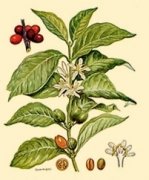
Click to view the original picture The coffee tree is an evergreen tree with small white flowers and green fruit that does not turn red until it is ripe. A normal coffee tree can usually grow to a height of 5 to 10 meters, but bean farmers often prune it to less than 2 meters for harvest convenience. After flowering, there are many dark green oval fruits, and the ripe fruits change from dark green to bright red.

Boutique Coffee Analysis of Coffee beans
There are about 60 species of coffee in the world, of which only 25 species are cultivated to make coffee, of which only 4 species are used as commercial coffee: large fruit coffee (Coffea liberica), medium fruit coffee (Coffea canephora), small fruit coffee (Coffea arabica) and high yield coffee (Coffea dewevrei). These are botanical names. Coffee in the world at present

Coffee common sense what does the fruit of coffee look like?
What we see every day are roasted coffee beans, at most we have seen yellow-green raw coffee beans, which is the most kind of fruit. What did it look like at first? What we usually see is a bit like cherries, so we sometimes call coffee fruits coffee cherries. Generally speaking, there are two coffee beans in each coffee fruit, which are covered with exocarp, pulp and pectin.

What exactly does the coffee fruit look like?
What we see every day are roasted coffee beans, at most we have seen yellow-green raw coffee beans, which is the most kind of fruit. What did it look like at first? What we usually see is a bit like cherries, so we sometimes call coffee fruits coffee cherries. Generally speaking, there are two coffee beans in each coffee fruit, which are covered with exocarp, pulp and pectin.

Take Yunnan coffee as an example: find the coffee taste that suits you from the method of treatment.
Professional coffee knowledge exchange more coffee bean information please pay attention to the coffee workshop (Wechat official account cafe_style) coffee fresh fruit harvest, take Yunnan as an example, three harvest periods: the end of October to mid-December for early ripening fruit, less yield; mid-December to the end of January for the concentrated ripening period of coffee fruit, the overall quality of this batch of coffee is the best; the rest of February is mostly diseased fruit, producing

Introduction to Chinese Coffee Plantation: exploring the Secret Coffee Plantation in Yunnan to decipher the Magic Fruit
Yunnan Coffee Plantation article: Yanxia Editor: milkshake in southern China, Yunnan, Taiwan, there is such a plantation, there are many beautiful, gorgeous red fruits, like cherries, beautiful seems to have some magic, can not help but pick some seemingly ripe fruit, taste, the seemingly attractive red fruit tastes like that
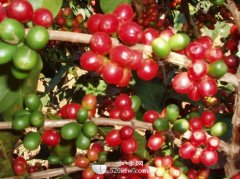
Coffee trees grow Coffee trees, Coffee Flowers and Coffee fruits
The coffee tree is an evergreen tree with small white flowers and green fruit that does not turn red until it is ripe. A normal coffee tree can usually grow to a height of 5 to 10 meters, but bean farmers often prune it to less than 2 meters for harvest convenience. After flowering, there are many dark green oval fruits, and the mature fruits change from dark green to bright red, due to the color and cherry.
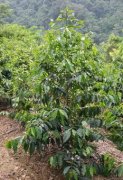
The process of coffee planting: coffee trees, coffee flowers, coffee fruits
The coffee tree is an evergreen tree with small white flowers and green fruit that does not turn red until it is ripe. A normal coffee tree can usually grow to a height of 5 to 10 meters, but bean farmers often prune it to less than 2 meters for harvest convenience. After flowering, there are many dark green oval fruits, and the mature fruits change from dark green to bright red, due to the color and cherry.
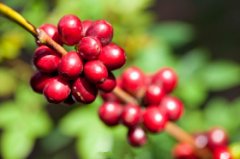
What does coffee fruit look like?
What we see every day is roasted coffee beans, and at most we have seen yellow-green coffee beans. That coffee bean is the most fruit. What is it like at first? What we usually see is a bit like cherries, so we sometimes call coffee cherries. Generally speaking, each coffee fruit contains two coffee beans. The beans are covered with pericarp, pulp and pectin.

Analysis of Coffee Solarization| How is the coffee processed and what flavor does it have?
Professional coffee knowledge exchange More coffee bean information Please pay attention to coffee workshop (Weixin Official Accounts cafe_style) Sunlight treatment method Sunlight treatment method Step 1 Coffee fruit harvest manual or mechanical harvest Step 2 Fruit sorting manual or flotation method Step 3 Sunlight directly on the ground drying or special drying site Step 4 When the coffee fruit reaches appropriate

Which part of the fruit is coffee? the structure of coffee fruit.
Which part of the coffee is coffee fruit structure Arabica coffee is more difficult to grow, they like mild days and colder nights, too cold, too hot, too humid climate can be fatal to it. Coffee trees in Arabica need to be planted on sloping slopes at high altitude. they grow luxuriantly in the highlands (600-1800 meters), and need special

Variety characteristics of Coffee grindability treatment in Santa Barara Manor, Honduras planting situation in taste producing areas
Generally speaking, sour coffee beans, especially high-quality new beans, are best roasted shallower, while bitter ones are shallower in baking, and sweet details are mostly selected beans produced in the highland. Baking often constitutes the key to whether it can be tasted after it can be integrated into the soft bitterness. Neutral flavor, even if it is not a highland coffee bean, it must have a stable quality.
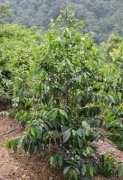
General knowledge of boutique coffee trees about coffee flowers and fruits
The coffee tree is an evergreen tree with small white flowers and green fruit that does not turn red until it is ripe. A normal coffee tree can usually grow to a height of 5 to 10 meters, but bean farmers often prune it to less than 2 meters for harvest convenience. After flowering, there are many dark green oval fruits, and the mature fruits change from dark green to bright red, due to the color and cherry.

How many coffee beans are there in a coffee fruit?-how many cups can a coffee capsule make?
How many coffee beans are there in a coffee fruit-after several cups of coffee fruit can be picked back, it must be sent to the processing plant on the same day for a new round of removal. The most simple and effective method is to pour all the fruit into a large trough. The ripe red fruit and the ripe fruit, which are heavy, will sink to the bottom of the trough and the underdeveloped small fruit.

What is the difference between Yunnan coffee and Brazilian coffee? Analysis on the initial processing stage of Coffee in Yunnan
Professional coffee knowledge exchange more coffee bean information please follow the coffee workshop (Wechat official account cafe_style) this article from the coffee primary processing process of fresh fruit picking, fresh fruit grading, peeling, degumming, drying, cleaning points

Yega Xuefei Adoto Fine Coffee beans with elegant Fruit and Wine aroma treatment method of Grinding degree and Baking degree
Since 2006, some coffee processing plants in some producing areas have adopted the exquisite elevated shed sun drying method, which invests in high-intensity human labor, which isolates the coffee fruit from contact with the ground and prevents the miscellaneous smell of soil in the process of sunlight. create an unusually clean fruit flavor. After more than two weeks of sun exposure, the dark brown coffee fruit is professionally stored, waiting for the whole
A brief introduction to the basic knowledge of Coffee beans
There are about 60 species of coffee in the world, of which only 25 species are cultivated to make coffee, of which only 4 species are used as commercial coffee: large fruit coffee (Coffea liberica), medium fruit coffee (Coffea canephora), small fruit coffee (Coffea arabica) and high yield coffee (Coffea dewevrei). These are botanical names. Coffee in the world at present
Processing of fresh coffee beans
Wet treatment requires the use of specific equipment and a large amount of water. When properly operated, it can ensure that the original quality of coffee beans is better preserved, producing homogeneous coffee beans with few bad beans. As a result, coffee beans produced in this way are generally considered to be of better quality and charge higher prices. Even after careful harvest, a certain amount of underdried and undercooked coffee

A brief introduction to the history and culture of the origin and development of San Juan Xido boutique coffee beans in Honduras
High-quality coffee in Honduras uses water washing to deal with coffee beans, usually after soaking, when the defective fruit will surface, it can be discarded first. Then put the good fruit into the fruit peeling machine and peel off the peel with the rotating force of the machine. Peeled fruits are screened by machines to select fruits of high quality. Usually the bigger.